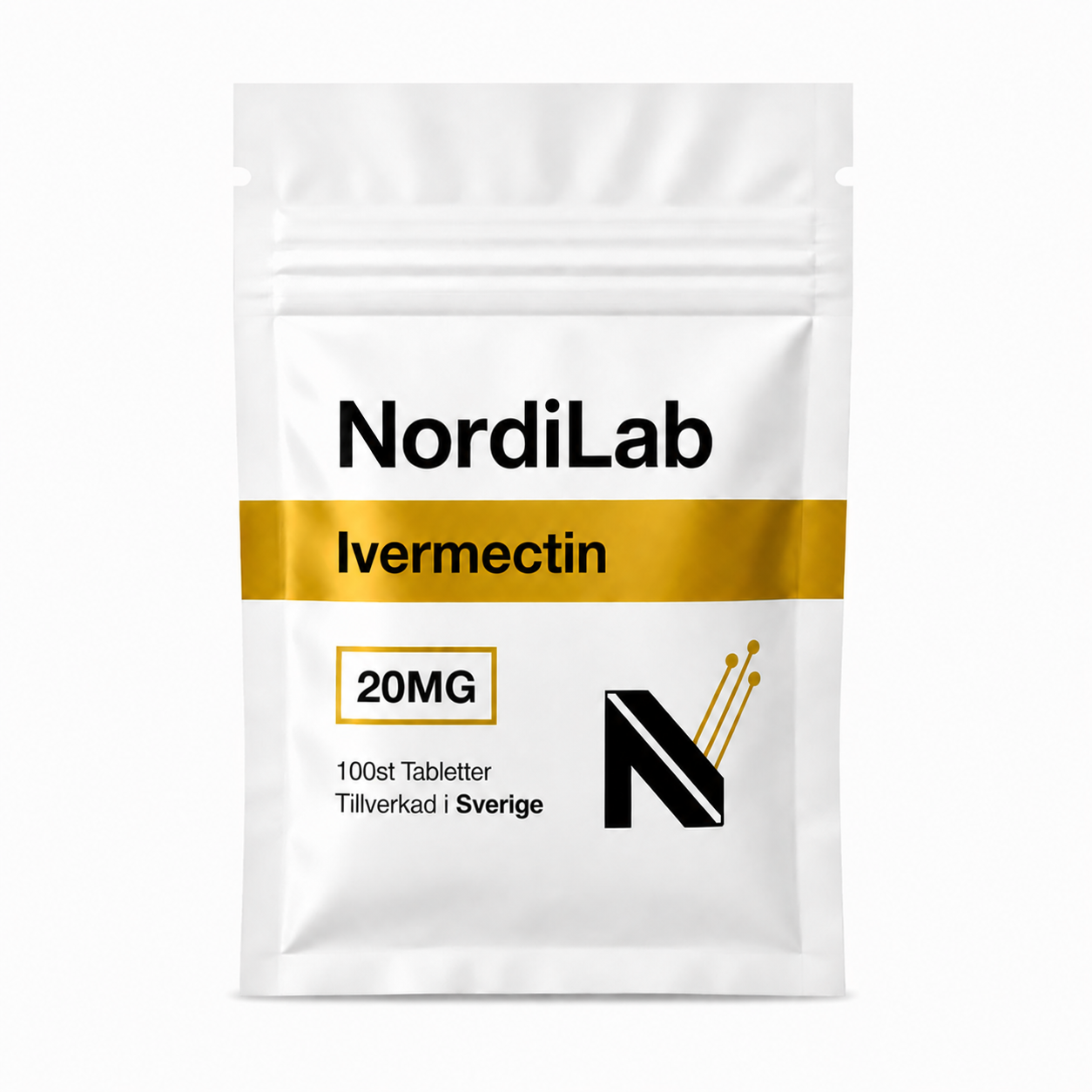
Ivermectin 20 mg: Uses, Benefits, Risks, and What You Should Know
Introduction
Ivermectin is a widely known antiparasitic drug that has been used for decades to treat a variety of parasitic infections in humans and animals. While it is commonly prescribed in specific doses depending on the condition, interest in higher-dose formulations—such as ivermectin 20 mg—has grown in recent years.
This article provides a comprehensive, SEO-optimized overview of ivermectin 20 mg, including its approved uses, how it works, proper dosing considerations, potential side effects, and important safety information. Whether you’re researching for general knowledge or medical awareness, understanding the facts is essential.
What Is Ivermectin?
Ivermectin belongs to a class of drugs called antiparasitic agents. It was first introduced in the late 20th century and has played a major role in global health initiatives, especially in treating diseases caused by parasitic worms.
Key characteristics:
- Derived from naturally occurring compounds produced by soil bacteria
- Effective against a wide range of parasites
- Available in oral, topical, and injectable forms
It is listed on the World Health Organization’s essential medicines list due to its effectiveness and importance in treating parasitic infections.
Common Medical Uses of Ivermectin
Ivermectin is approved for several specific medical conditions. The dosage—whether 3 mg, 6 mg, 12 mg, or 20 mg—depends on the infection being treated and the patient’s body weight.
1. Parasitic Infections
Ivermectin is primarily used to treat:
- Strongyloidiasis – an intestinal infection caused by roundworms
- Onchocerciasis (river blindness) – caused by parasitic worms transmitted by blackflies
- Scabies – a skin infestation caused by mites
- Head lice – in topical formulations
2. Off-Label Uses
Doctors sometimes prescribe ivermectin off-label for conditions such as:
- Rosacea (topical form)
- Certain parasitic skin diseases
However, off-label use should always be guided by a qualified healthcare provider.
Understanding the 20 mg Dose
The “20 mg” label refers to the total amount of
ivermectin in a tablet or dose. This is considered a relatively high dose and is typically not standard for all patients.
Important factors influencing dosage:
- Body weight
- Type and severity of infection
- Medical history
- Physician guidance
Ivermectin dosing is usually calculated in micrograms per kilogram (mcg/kg), not fixed doses. A 20 mg dose may be appropriate in certain cases but is not universally recommended.
Ivermectin targets parasites by interfering with their nervous system.
Mechanism of action:
- Binds to glutamate-gated chloride channels in parasites
- Causes paralysis and death of the parasite
- Prevents reproduction and spread within the host
Importantly, these channels are not present in humans in the same way, which is why ivermectin can be effective with relatively low toxicity when used correctly.
Benefits of Ivermectin
When used as prescribed, ivermectin offers several benefits:
1. High Effectiveness
It is highly effective against many parasitic infections, often requiring only one or a few doses.
2. Global Impact
Ivermectin has significantly reduced the burden of diseases like river blindness in many parts of the world.
3. Ease of Use
Oral tablets are easy to administer compared to some alternative treatments.
Potential Side Effects
Like all medications, ivermectin can cause side effects. These vary depending on the dose and individual sensitivity.
Common side effects:
- Nausea
- Dizziness
- Diarrhea
- Fatigue
Less common but serious effects:
- Low blood pressure
- Allergic reactions (rash, itching, swelling)
- Neurological symptoms (confusion, tremors)
In cases where parasites die rapidly, patients may experience inflammatory reactions due to the body’s immune response.
Safety Considerations
1. Prescription Use Only
Ivermectin should only be taken under medical supervision. Self-medicating—especially with high doses like 20 mg—can be dangerous.
2. Not for Viral Infections
Despite widespread discussion, ivermectin is not approved for treating viral illnesses. Its effectiveness is limited to parasitic conditions unless otherwise supported by strong clinical evidence.
3. Drug Interactions
Ivermectin may interact with other medications, including:
- Blood thinners
- Sedatives
- Certain antibiotics
Always inform your doctor about all medications you are taking.
4. Special Populations
Extra caution is required for:
- Pregnant or breastfeeding individuals
- Children
- Elderly patients
- People with liver disease
Ivermectin and Public Interest
In recent years, ivermectin gained attention beyond its traditional uses. This increased visibility has led to both interest and misinformation.
Key takeaway:
Reliable, evidence-based guidance from healthcare professionals is essential. Not all claims about ivermectin—especially regarding high doses—are supported by scientific consensus.
Proper Usage Guidelines
If prescribed ivermectin:
Follow these best practices:
- Take exactly as directed by your doctor
- Do not exceed the recommended dose
- Take on an empty stomach (unless advised otherwise)
- Complete the full course of treatment
Avoid:
- Using veterinary formulations
- Sharing medication with others
- Adjusting dosage without medical advice
Frequently Asked Questions (FAQ)
Is 20 mg of ivermectin safe?
It can be safe if prescribed by a healthcare provider based on your specific condition and weight. It is not a standard dose for everyone.
How quickly does ivermectin work?
It often begins working within 1–2 days, though symptom relief may take longer depending on the infection.
Can ivermectin be taken regularly?
It is usually taken as a single dose or short course, not as a long-term medication.
Do I need a prescription?
Yes, ivermectin for human use typically requires a prescription in most countries.
Conclusion
Ivermectin remains a powerful and valuable medication in the fight against parasitic infections. While higher doses such as ivermectin 20 mg may be appropriate in certain medical contexts, they are not universally safe or necessary.
Understanding how ivermectin works, its approved uses, and its potential risks is essential for making informed decisions. Always rely on qualified medical advice rather than online trends or unverified claims.
Final Thoughts
Medications like
ivermectin can be highly effective when used correctly—but misuse can lead to serious health risks. If you believe you may need treatment for a parasitic infection, consult a licensed healthcare provider who can determine the correct dosage and treatment plan for you.
Accurate information and responsible use are the keys to safe and effective treatment.